Major Project 2025/26
Holistic Kidney Health Centre
Singapore is currently facing a potential renal health crisis- it is consistently among the top 5 countries worldwide in terms of prevalence and incidence of Chronic Kidney Disease (CKD), and for diabetes induced kidney failure. Two-thirds of the CKD cases are caused by diabetes, but one-third of people with diabetes are unaware of their condition. Most CKD patients are not aware of their condition until the disease has progressed quite far. Hence, there is a significant scope for early detection/ prevention of CKD and deferment of needing dialysis (which is a last resort treatment).
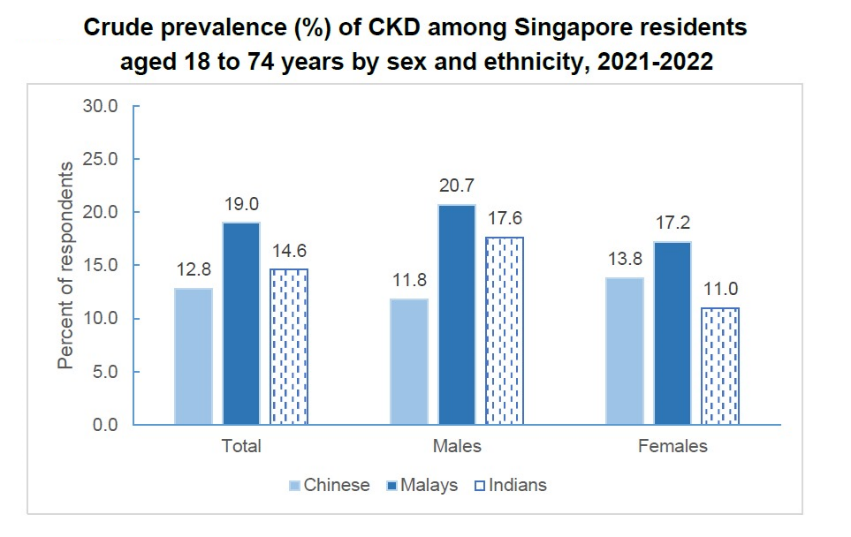
The government runs a subsidized health screening program for low income families, but this does not include tests for renal health. Singapore currently has about 135 dialysis centres, with a projected need of ~750 centres in 10 years. This need cannot be fulfilled by hospitals, and the government is encouraging more community based centres.
Finally, the cost of dialysis in Singapore is prohibitively expensive, costing ~SGD 30,000 (USD 23,000) per year. This is beyond the reach of many residents, but there are limited facilities focused on care for this segment of the population.
We propose to help address these issues by:
1. Helping set up a low cost, community based renal care centre aimed at providing free dialysis to means tested patients and also acting as a centre for holistically addressing the issue of renal health in the local community. The centre would have 20 dialysis machines. Our club is raising funds for 10 dialysis machines and the Reverse Osmosis unit. This global grant is for procuring the remaining 10 dialysis machines and also to run the outreach program for a year.
2. Helping set up an outreach program in the local community aimed at disseminating information about renal health and also setting up regular camps for people to get tested
3. Potentially engaging with the government to include renal health testing into the subsidized health screening program. Our understanding is that we can take this up if we are able to show that over 10% of the people tested had an undetected renal condition.
We aim to provide holistic renal care to an underserved community in Singapore. We will help set up a holistic renal care centre to provide dialysis care to patients who cannot afford it, and also provide outreach programs to help prevent/ delay the need for dialysis.
Our Partners
Renal Health Services (RHS)
https://www.renalhealthservices.org/
Block 263 Boon Lay Dr, #01-583, Singapore 640263
Willing Hearts
https://willinghearts.org.sg/
1 Lorong J Telok Kurau, Singapore 425792
RHS is a registered charity and an Institute of Public Character (IPC) under the Ministry of Health. RHS with its unique public-private partnership model to support its not-for-profit projects, aims to drive down kidney healthcare cost and increase efficiency in reducing the incidence of CKD, as well as providing accessible Kidney Failure treatment modalities to all members of the community, irrespective of their financial capability.
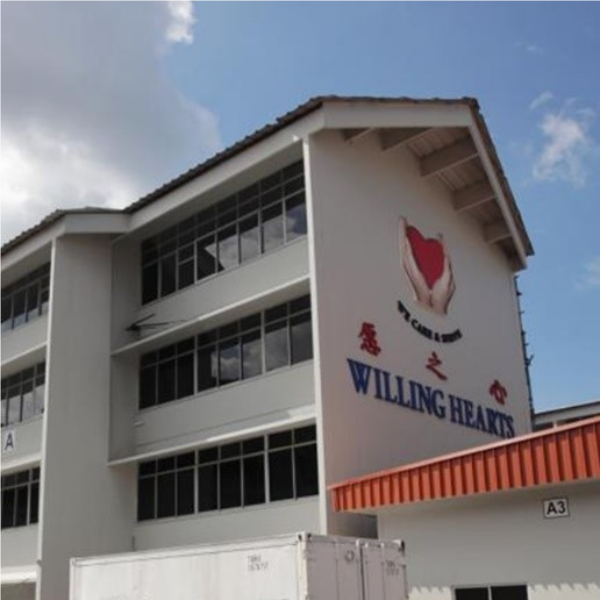
Willing Hearts (WH) is an IPC that aims to provide daily meals and other support services to the underprivileged, the needy, and other marginalized persons in Singapore. They are an existing partner of our club that we have a trusted relationship with. We had undertaken a major project with them to sponsor a new kitchen and significantly expand their capacity to provide free meals to the needy.
RHS has applied for and received a license to operated a dialysis centre at the WH premises. WH is providing the space and infrastructure, RCS is providing the medical equipment, and RHS is providing the expertise to set up and run the centre.
As part of our project, the role of RHS would be to shortlist vendors for providing and installing the medical equipment. After we help them finalise the vendors, they will pay the vendors. They would also subsequently run the centre, provide free dialysis to means- tested patients and engage with the government for subsidies against the treatments provided. Due to the low-cost overheads, these subsidies would be sufficient to address about 90% of their running costs, thus making the centre sustainable.
For the outreach programs, RHS would help us with the medical support needed (personnel and testing kits) and with referrals to social workers if needed. WH would help provide connections to the local community in the catchment area as they are very well connected through their other charitable work.
Community Assessment and Outreach
As part of our community needs assessment, we engaged a range of healthcare professionals and community stakeholders. These included Dr. Behram Ali, Executive Director of Renal Health Services (RHS), and Dr. Shariffa Syahidah Chishty, a family physician with dual certification in lifestyle medicine and health coaching, known for her work in community-based health literacy initiatives.
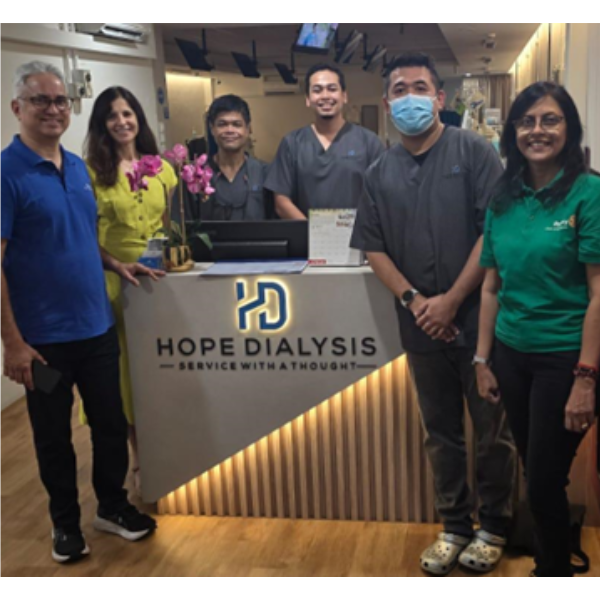
We also visited the Hope Dialysis Centre and met with Dr Melvin Phua and Muhammad Halim Bin Mohd Amin, the nurse manager with over 15 years of experience in clinical management and community-based dialysis care.
We met up virtually with Dr Ahmad Moolla, Consultant & Specialist in Diabetes, Endocrinology and obesity based in Malaysia to understand more about outreach for lifestyle diseases like diabetes and chronic kidney diseases.
We are also scheduled to meet Dr. Srinivas Subramanian of Dr Sri Kidney and Medical Clinic, located near the proposed dialysis centre site, to explore synergies in patient care. Additionally, we will consult with Associate Professor Konstantina Griva, a leading expert in Psychonephrology at the Lee Kong Chian School of Medicine, whose research focuses on the psychological and social dimensions of kidney disease. Her insights will help shape a more holistic, patient-centred model of care that integrates mental health and behavioural support into our outreach design.
These consultations have provided valuable insights into patient care outcomes, quality of life, and the importance of community engagement and preventive health education in improving long-term renal health.
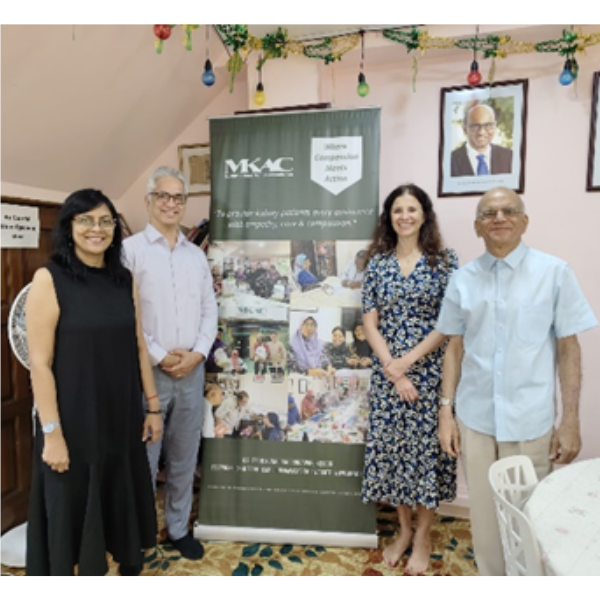
We visited a voluntary organisation that works with dialysis patients and their families, Muslim Kidney Action Association (MKAC). They run a range of community-based initiatives that extend beyond medical assistance to encompass emotional, social, and logistical support for patients’ families, addressing challenges such as transport, caregiver needs, and financial strain.
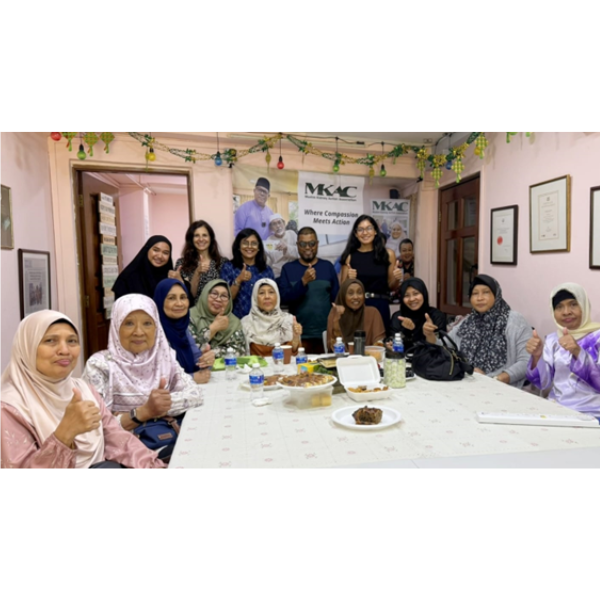
As part of our community assessment, we conducted a focus group discussion with dialysis patients and caregivers from MKAC to understand their lived experiences. Most were diagnosed at late stages with little prior awareness of kidney health, and many faced emotional resistance before starting dialysis. They reported physical discomfort during treatment, financial strain despite subsidies, limited knowledge of government support, and a lack of ongoing education or screening for themselves and their families. Despite these challenges, they expressed deep appreciation for MKAC’s psychosocial support, which provides a sense of community and emotional relief.
These insights highlight the need for culturally sensitive outreach, early screening, financial guidance, and continuous patient education.
Proposed Success Metrics
- Install and operate haemodialysis equipment to deliver up to 360 treatments weekly, serving up to 120 beneficiaries.
- Provide free dialysis care to means-tested patients, tracked semi-annually through centre records.
- Reach 600 community members over a year through regular renal care awareness and screening programmes.
- Identify undiagnosed CKD in those screened (at least 10% approximately).
- Ensure at least 50% of positively screened individuals are referred to social workers for follow-up and support.